News

News

Discover the latest news about SAILDAR in our news and press area

How Does a Hyaluronic Acid Repair Face Mask Support Skin Recovery?

2026-11-11 0 Leave me a message

A Hyaluronic Acid Repair Face Mask can provide targeted hydration and help maintain skin comfort when the skin feels dry, tight, or sensitive. At SAILDAR, we focus on formulation simplicity, controlled manufacturing, hygienic packaging, and OEM customization for professional skincare brands. This article explains how hyaluronic acid masks fit into skin recovery routines, what to check in product quality, and how to select a suitable manufacturing partner.

Contents

1. What Role Does a Hyaluronic Acid Repair Face Mask Play in Skin Recovery?

Skin can feel dry, tight, or uncomfortable when its moisture balance is disturbed. This may happen after exposure to dry environments, frequent cleansing, or certain aesthetic treatments. During this period, a suitable skincare routine should focus on gentle cleansing, adequate hydration, and avoiding unnecessary irritation.

A Hyaluronic Acid Repair Face Mask is designed to provide moisture to the skin through a sheet-mask application. Hyaluronic acid is a widely used humectant that helps attract and retain water in the outer layers of the skin. By supporting skin hydration, a well-formulated mask can help reduce the feeling of dryness and tightness.

At SAILDAR, we approach this product category from a practical formulation and manufacturing perspective. We focus on three aspects:

  • Moisture support: A hydrating formula helps maintain skin moisture during routine skincare.
  • Formulation simplicity: A carefully selected ingredient system can reduce the number of unnecessary components in the formula.
  • Hygienic production and packaging: Controlled manufacturing and suitable packaging help maintain product quality throughout storage and distribution.

It is important to distinguish cosmetic hydration from medical treatment. A face mask should not automatically be described as a wound-healing product or a treatment for inflammation. Its permitted use depends on its actual regulatory classification, approved labeling, and supporting evidence.

hyaluronic-acid-repair-face-mask

2. Why Is Hyaluronic Acid Used in Repair Face Masks?

Hyaluronic acid is valued in skincare because of its water-binding properties. It can hold moisture within the skin's surface layers, making it a useful ingredient in products developed for dry or dehydrated skin.

For a repair-oriented face mask, the purpose is not simply to include hyaluronic acid in the ingredient list. We also need to consider the overall formula, the amount of essence carried by the sheet, the compatibility of ingredients, and how the product feels during application.

Formulation Consideration Role in Product Development What to Evaluate
Hyaluronic acid Helps attract and retain moisture on the skin's surface Ingredient grade, concentration, and compatibility with the formula
Essence system Provides the liquid phase that carries the active ingredients Texture, spreadability, stability, and absorption feel
Supporting ingredients Help achieve the intended moisturizing and skin-conditioning properties Ingredient compatibility and potential irritation concerns
Sheet material Holds and distributes the essence during application Skin contact, fit, liquid retention, and ease of use

We recommend evaluating the complete formulation rather than judging a face mask by one highlighted ingredient. A high-quality product should have a clear ingredient list, a stable formula, and performance that matches its intended use.

3. When Can a Repair Face Mask Be Used After an Aesthetic Procedure?

Post-procedure skincare depends on the type of treatment and the condition of the skin. Non-ablative procedures, microneedling, chemical peels, and ablative laser treatments do not create the same level of skin disruption. Therefore, one aftercare product cannot be assumed suitable for every procedure.

For some aesthetic treatments, practitioners may recommend a simple moisturizing routine after assessing the skin. A gentle hydrating mask may be considered as part of that routine when its intended use and product instructions allow it. However, it should not replace professional aftercare instructions or prescribed wound-care products.

Skin Care Situation Possible Care Focus Important Consideration
Everyday dry skin Maintain moisture and reduce the feeling of tightness Choose a formula suitable for regular skincare use
Sensitive-feeling skin Keep the routine simple and avoid unnecessary irritants Check the full ingredient list and discontinue use if irritation occurs
After a non-ablative aesthetic procedure Follow a practitioner-approved gentle skincare routine Confirm when topical products can be used after treatment
Open, damaged, or recently treated skin Follow the appropriate clinical wound-care instructions Do not apply a cosmetic mask unless its approved use specifically permits it

In our product development work, we pay attention to the distinction between daily moisturizing products and products intended for specific medical or post-procedure applications. The product's regulatory status and labeling must support the claims made in its marketing materials.

For further information about regulatory distinctions, refer to the FDA guidance on cosmetics and drugs. For professional post-procedure skincare considerations, see this clinical review published in the Journal of Drugs in Dermatology.

4. What Should We Consider in the Formulation?

When developing a Hyaluronic Acid Repair Face Mask, we do not look at the ingredient list in isolation. The formula needs to work as a complete system, from the essence texture to the sheet's ability to hold moisture.

Ingredient Selection

SAILDAR's product brief describes a formulation developed without added fragrance, colorants, or unnecessary additives. This approach is intended to keep the formula simple. However, a fragrance-free or minimalist formula does not automatically mean that a product is suitable for every sensitive skin type. Finished-product safety and compatibility still need to be evaluated.

Essence Texture and Application

The essence should distribute evenly across the mask and remain in contact with the skin during the recommended application period. A formula that is too thin may run during use, while one that is too thick may not spread evenly. These practical details influence the user's experience and should be checked during product evaluation.

Formula Stability

Ingredient compatibility, appearance, odor, pH, and microbiological quality are important evaluation points. Stability and safety testing should be selected according to the product's formulation, packaging, intended market, and regulatory category.

5. How Does Manufacturing Quality Affect Product Reliability?

For skincare products, manufacturing quality involves more than filling essence into a mask pouch. Raw material control, production hygiene, process consistency, finished-product testing, and batch records all contribute to product reliability.

At SAILDAR, our manufacturing capabilities include a Class 100,000 cleanroom environment and production arrangements designed for medical-aesthetic product development. The specific production and quality-control requirements are determined by the product category and applicable standards.

For a Hyaluronic Acid Repair Face Mask project, we recommend reviewing the following points:

  • Raw material control: Confirm supplier qualifications, ingredient specifications, and incoming material inspection procedures.
  • Production environment: Check the cleanliness controls and production procedures appropriate to the product.
  • Microbiological testing: Establish suitable testing requirements for the formula and finished product.
  • Batch consistency: Keep production records and evaluate whether the product remains consistent between batches.
  • Finished-product evaluation: Review packaging integrity, appearance, odor, and other quality indicators relevant to the product.

One point deserves particular attention: a cleanroom classification alone does not prove that a finished product is sterile. If a product is marketed as sterile or intended for use on wounds, the sterilization process, packaging system, validation, and applicable regulatory requirements must be supported by appropriate documentation.

6. Why Does Packaging Matter for a Repair Face Mask?

Packaging protects the formula during storage, transportation, and use. It also helps maintain the product's physical condition and provides essential information to the end user.

SAILDAR's product design uses a double-layer packaging concept. The inner layer is described as high-temperature-resistant PE material, while the outer layer uses an aluminum foil pouch. The packaging design is intended to provide a sealed product presentation and support the applicable processing requirements.

Packaging Component Product Design Key Evaluation Point
Inner packaging High-temperature-resistant PE layer Material compatibility, sealing performance, and suitability for the intended process
Outer packaging Aluminum foil pouch Barrier performance, pouch integrity, and product protection
Opening design Die-cut opening feature Convenience and ease of opening during use

For products that require sterilization, packaging compatibility and seal integrity need to be evaluated as part of the validated process. A material's heat resistance by itself is not proof that the complete packaged product can undergo a particular sterilization method.

7. How Does SAILDAR Support OEM and ODM Projects?

Different skincare brands have different requirements for formula positioning, packaging design, target markets, and product classification. At Qingdao Saildar Medical Device Industry Development Co., Ltd. (SAILDAR), we provide OEM and ODM services for medical aesthetic products, personal healthcare products, and cosmetics.

For a Hyaluronic Acid Repair Face Mask project, our cooperation can cover several development stages:

  1. Project consultation: Discuss the target market, intended product category, product positioning, and packaging requirements.
  2. Formula and sample development: Evaluate the proposed formula and arrange samples for review.
  3. Packaging confirmation: Review pouch materials, artwork, labeling information, and packaging specifications.
  4. Compliance and testing: Identify the applicable registration, filing, testing, and documentation requirements for the target market.
  5. Production and quality inspection: Arrange manufacturing according to the confirmed specifications and quality requirements.
  6. Delivery: Complete final checks and prepare the products for shipment.

Our R&D team and formulation engineers support product development, while our manufacturing facilities provide production support for different project requirements. We also work with customers on packaging and product customization, with the exact scope confirmed according to the project.

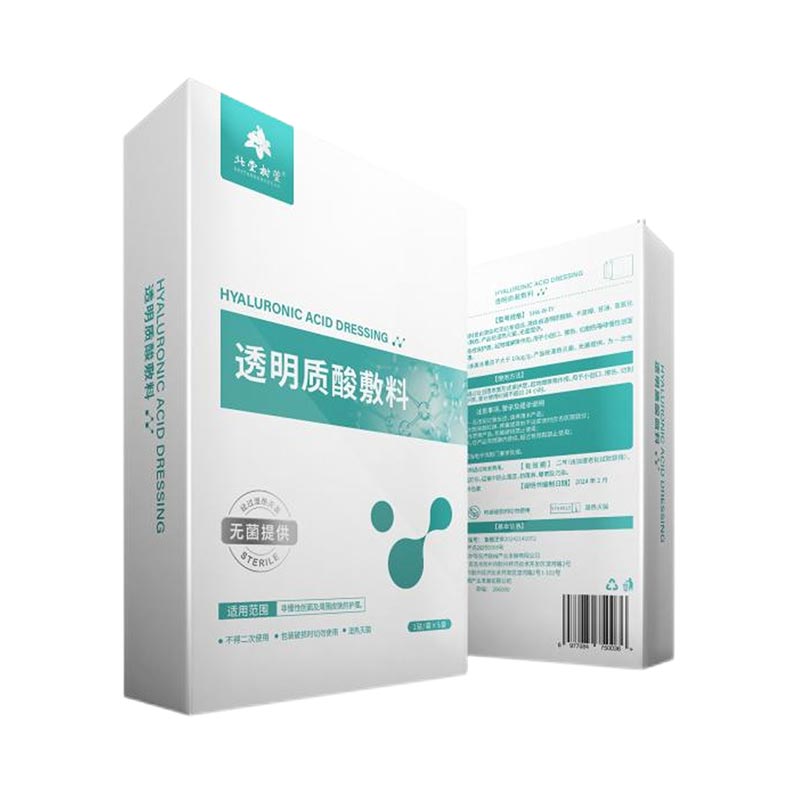
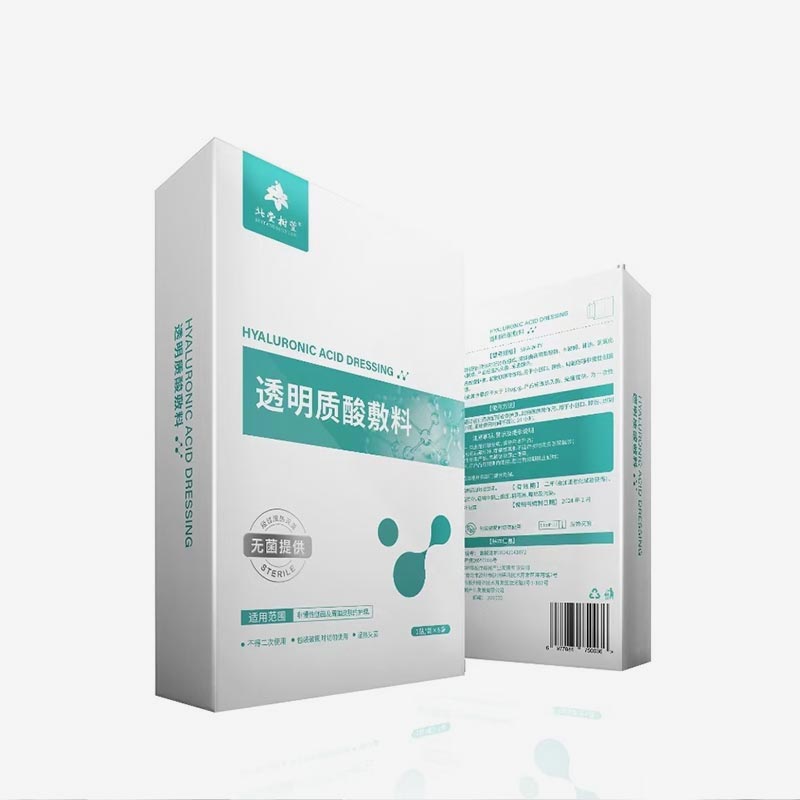
Brands interested in related product categories can also explore our hyaluronic acid dressing and antibacterial gel product pages.

We believe a reliable manufacturing partnership starts with clear product positioning. Before production, we recommend confirming whether the product is intended to be a cosmetic face mask or a regulated medical product. This decision affects the claims, testing, documentation, packaging, and market access requirements.

8. Frequently Asked Questions

Q1: What is a Hyaluronic Acid Repair Face Mask used for?

It is generally developed to provide skin hydration and help reduce the feeling of dryness or tightness. Its specific intended use depends on the formulation, product classification, and approved labeling.

Q2: Can a Hyaluronic Acid Repair Face Mask be used after microneedling or a chemical peel?

Not automatically. The appropriate aftercare routine depends on the procedure depth and the skin's condition. Users should follow their treating professional's instructions and confirm that the mask is suitable for the intended application before use.

Q3: How long should I leave the face mask on?

The application time should follow the product instructions. For the SAILDAR mask described in our product information, the suggested application period is 15–20 minutes. Users should remove the mask as directed and avoid leaving it on longer than recommended.

Q4: Is a fragrance-free face mask suitable for all sensitive skin?

No. A fragrance-free formula may avoid one potential source of irritation, but sensitivity can also be related to other ingredients or individual skin conditions. The complete ingredient list and finished-product compatibility should be considered.

Q5: Is a Hyaluronic Acid Repair Face Mask the same as a medical dressing?

No. A cosmetic face mask and a medical dressing may have different intended uses, regulatory classifications, and quality requirements. A product should only be described as a medical device or wound-care product when its classification and supporting documentation permit those claims in the target market.

Q6: Can SAILDAR customize the formula and packaging?

Yes. SAILDAR provides OEM and ODM support for product development and packaging customization. The available options, minimum order quantity, sampling arrangements, and production schedule should be confirmed according to the formula and project requirements.

Q7: What documents should a brand request from a face mask manufacturer?

Depending on the product category and destination market, brands may need ingredient specifications, product safety and quality test reports, manufacturing information, packaging specifications, batch records, and applicable registration or filing documents. The exact document list should be confirmed before the project enters production.

At SAILDAR, we see a Hyaluronic Acid Repair Face Mask as a product that requires careful coordination between formulation, manufacturing, packaging, and regulatory positioning. A well-developed product should offer a clear hydration purpose, consistent quality, and product claims that match its actual evidence and intended use. For OEM or ODM cooperation, we welcome discussions about formula development, packaging requirements, and target-market specifications.

Related News
Leave me a message
X
We use cookies to offer you a better browsing experience, analyze site traffic and personalize content. By using this site, you agree to our use of cookies. Privacy Policy
RejectAccept