News

News

Discover the latest news about SAILDAR in our news and press area

Why Is Hypoallergenic Liquid Dressing Essential for Modern Wound Care?

2026-05-25 0 Leave me a message

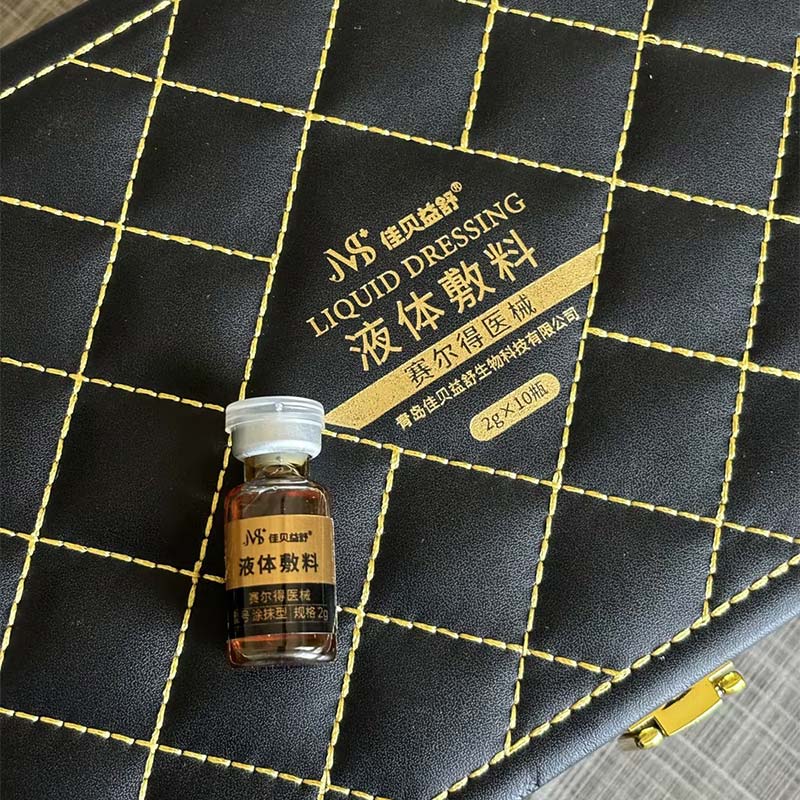
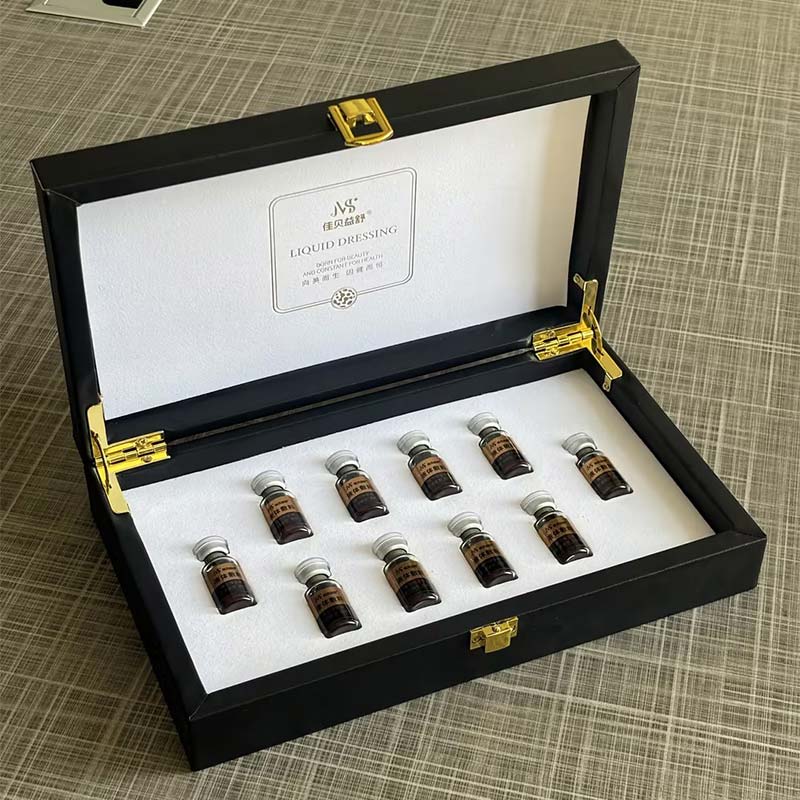
Hypoallergenic liquid dressing has become a preferred solution in advanced wound care because it combines flexibility, protection, comfort, and skin-friendly performance. Unlike traditional bandages that may cause irritation, adhesive damage, or discomfort, liquid dressing creates a breathable protective barrier directly on the skin. This article explains how hypoallergenic liquid dressing works, its advantages, common applications, ingredient considerations, buying factors, safety tips, and future medical trends. Whether for hospitals, clinics, sports injuries, or home first aid, understanding the benefits of this innovative wound care technology helps users make safer and more effective treatment decisions.

Hypoallergenic liquid dressing


1. What Is Hypoallergenic Liquid Dressing?

Hypoallergenic liquid dressing is a protective wound care solution designed to form a thin, transparent, and breathable film over damaged skin. It is commonly used for minor cuts, abrasions, surgical incisions, blisters, burns, and skin irritation. Unlike traditional gauze or adhesive bandages, liquid dressing is directly applied to the skin surface and dries quickly into a protective barrier.

The term “hypoallergenic” indicates that the formulation is specifically developed to minimize allergic reactions and skin sensitivity. This makes it particularly valuable for patients with delicate skin, chronic allergies, pediatric needs, elderly patients, or individuals who experience irritation from ordinary adhesives.

Modern medical environments increasingly favor hypoallergenic wound solutions because they improve comfort while maintaining high hygiene standards. The dressing acts as a shield against water, dirt, bacteria, and friction while still allowing oxygen exchange necessary for skin recovery.

Feature Hypoallergenic Liquid Dressing
Skin Compatibility Designed for sensitive skin
Application Method Applied directly as liquid
Barrier Function Protects against moisture and bacteria
Flexibility Moves naturally with skin
Breathability Allows oxygen exchange

2. How Does Liquid Dressing Work?

Hypoallergenic liquid dressing functions through film-forming technology. Once applied, the liquid evaporates rapidly and leaves behind a protective polymer layer. This thin layer adheres gently to the skin surface without causing excessive pressure or adhesive trauma.

The protective film acts as a semi-permeable membrane. It blocks contaminants such as dust, bacteria, and moisture while permitting oxygen circulation. This balance helps maintain a stable healing environment, which is critical for reducing infection risks and supporting tissue regeneration.

Many modern liquid dressings also contain antimicrobial ingredients or soothing agents that help calm inflammation and reduce discomfort. Some advanced medical products are engineered for waterproof performance, allowing patients to shower or continue daily activities without compromising wound protection.

  • Creates a transparent protective layer
  • Reduces friction and mechanical irritation
  • Maintains moisture balance for healing
  • Supports mobility without peeling
  • Minimizes external contamination

3. Why Is Hypoallergenic Protection Important?

Skin sensitivity is a major concern in wound management. Traditional adhesives can trigger redness, itching, blistering, or allergic dermatitis. Patients with eczema, diabetes, aging skin, or compromised immune systems are particularly vulnerable to irritation.

Hypoallergenic liquid dressing significantly lowers these risks because it is formulated without aggressive irritants commonly found in lower-quality wound care products. Reduced allergic reactions improve patient comfort and treatment compliance.

For healthcare professionals, minimizing skin complications also reduces the likelihood of delayed healing and secondary infections. This is especially important in long-term care environments where repeated dressing changes may damage fragile skin tissue.

Key Insight: Sensitive skin patients often require non-irritating wound protection that can remain effective without frequent removal or replacement.

4. Main Benefits of Hypoallergenic Liquid Dressing

The growing popularity of hypoallergenic liquid dressing is closely linked to its practical benefits across healthcare, sports medicine, and personal care industries.

Comfortable Wear

The flexible film conforms naturally to body movement and reduces discomfort during daily activities.

Water Resistance

Many formulations maintain wound protection during hand washing, bathing, or sports activities.

Transparent Monitoring

The clear protective layer allows users and medical staff to observe wound progress without removal.

Reduced Dressing Changes

Long-lasting adhesion decreases the need for frequent replacement and minimizes skin trauma.

Additional advantages include reduced infection risks, improved cosmetic outcomes, less scarring potential, and enhanced convenience for active individuals.


5. Common Applications in Medical and Daily Use

Hypoallergenic liquid dressing is widely used in both professional healthcare settings and everyday home treatment situations.

Application Area Purpose
Surgical Incisions Protect healing tissue after operations
Sports Injuries Prevent friction and contamination
Minor Cuts Fast protection for daily accidents
Diabetic Skin Care Protect fragile skin from breakdown
Cosmetic Procedures Shield sensitive treated skin
Pediatric Care Gentle alternative to strong adhesives

Healthcare facilities increasingly integrate advanced liquid dressing solutions into post-operative care because they help reduce patient discomfort and streamline wound monitoring procedures.


6. Comparison with Traditional Bandages

Traditional bandages remain useful for many situations, but they may not provide the same flexibility, comfort, or skin compatibility as hypoallergenic liquid dressing.

Factor Liquid Dressing Traditional Bandage
Skin Irritation Risk Low Moderate to High
Waterproof Ability Excellent Limited
Flexibility Very Flexible Can loosen during movement
Visibility Transparent Often covered
Application Convenience Fast drying Requires manual placement

While traditional dressings may still be preferred for large or heavily bleeding wounds, liquid dressing technology offers superior convenience and comfort for many minor to moderate wound care needs.


7. Key Ingredients and Material Safety

The safety profile of hypoallergenic liquid dressing depends heavily on ingredient quality and manufacturing standards.

Common materials include medical-grade polymers, silicone-based compounds, and breathable film-forming agents. Many premium products avoid latex, strong fragrances, and harsh preservatives to reduce allergic risks.

Healthcare buyers often evaluate the following factors before selecting products:

  • Latex-free composition
  • Alcohol content level
  • Antimicrobial properties
  • Breathability performance
  • Dermatological testing standards
  • Regulatory compliance certifications

Manufacturers such as Qingdao SAILDAR Medical Device Industry Development Co., Ltd. continue investing in advanced wound care innovation to improve patient safety, skin compatibility, and clinical performance for global healthcare markets.


8. How to Apply Liquid Dressing Correctly

Correct application is essential for achieving effective protection and healing support.

  1. Clean the wound gently using sterile saline or clean water.
  2. Dry the surrounding skin carefully before application.
  3. Apply a thin and even layer of liquid dressing.
  4. Allow several seconds for film formation and drying.
  5. Avoid touching the area during the drying process.
  6. Reapply if necessary according to product instructions.

Users should avoid applying liquid dressing to heavily infected wounds, deep punctures, or severe burns without professional medical guidance.


9. Important Buying Considerations

Selecting the right hypoallergenic liquid dressing requires careful evaluation of both medical requirements and user comfort.

Skin Sensitivity

Verify whether the formula is clinically tested for sensitive skin and free from common allergens.

Waterproof Needs

Choose products with strong moisture resistance for active lifestyles or frequent washing.

Drying Speed

Fast-drying formulations improve convenience and reduce accidental contamination.

Medical Certifications

Reliable suppliers should comply with international quality and safety standards.

Professional healthcare institutions also consider storage stability, packaging safety, sterilization methods, and supply consistency when selecting wound care products.


10. Future Trends in Advanced Wound Care

The wound care industry is evolving rapidly with the development of smarter and more patient-friendly technologies.

Future hypoallergenic liquid dressing innovations may include:

  • Antimicrobial nano-coating integration
  • Bioactive healing accelerators
  • Smart wound monitoring indicators
  • Longer-lasting breathable protection
  • Eco-friendly medical materials
  • Enhanced transparency for clinical observation

As healthcare providers continue prioritizing patient comfort and infection prevention, hypoallergenic wound care technologies are expected to become even more widely adopted worldwide.


11. Frequently Asked Questions

Can hypoallergenic liquid dressing be used on children?

Yes. Many formulations are specifically designed for sensitive skin, making them suitable for pediatric applications. However, users should always follow product instructions and consult healthcare professionals for severe injuries.

Is liquid dressing waterproof?

Most high-quality liquid dressings provide excellent water resistance, helping protect wounds during showering or daily activities.

How long does the protective film last?

The duration depends on the formulation and wound location. Many products remain effective for several days before natural peeling or reapplication becomes necessary.

Can it reduce scarring?

Proper wound protection and moisture balance may help reduce irritation and support improved cosmetic healing outcomes.

What should users avoid when using liquid dressing?

Users should avoid applying the product to severely infected wounds, deep punctures, or untreated serious burns without professional medical supervision.


12. Conclusion

Hypoallergenic liquid dressing represents an important advancement in modern wound care by combining comfort, flexibility, protection, and skin-friendly performance. Its ability to reduce irritation while maintaining effective wound shielding makes it valuable for hospitals, clinics, sports medicine, cosmetic recovery, and home first aid.

As healthcare standards continue improving globally, the demand for safer and more convenient wound care solutions will continue rising. High-quality manufacturers and medical suppliers are playing a critical role in supporting this evolution through advanced materials, innovative production technologies, and patient-centered product development. 

Qingdao SAILDAR Medical Device Industry Development Co., Ltd. is committed to providing advanced wound care products designed for safety, comfort, and professional medical performance.

Contact us today to explore customized medical dressing solutions, product specifications, and global cooperation opportunities for your healthcare business.


Related News
Leave me a message
X
We use cookies to offer you a better browsing experience, analyze site traffic and personalize content. By using this site, you agree to our use of cookies. Privacy Policy
Reject Accept